

Last Updated: July 19, 2026
At-home LED light therapy devices 2026 use specific wavelengths to stimulate cellular activity and promote skin health. When light penetrates the skin, it energizes mitochondria and increases ATP production, fueling cellular repair and collagen synthesis. This process, called photobiomodulation, is now recognized as a legitimate therapeutic approach for anti-aging, acne, and skin texture concerns.
Professional-grade devices are now available for home use at a fraction of clinical costs. Wavelengths matter tremendously: red light typically ranges from 600 to 700 nanometers, while near-infrared extends from 700 to 1100 nanometers. Each penetrates to different skin depths and triggers different cellular responses.
Wavelength measurement determines how deeply light penetrates tissue and which cellular structures it affects. Red light (around 630 nanometers) works primarily in the epidermis and upper dermis, making it effective for acne and skin tone. Near-infrared light (around 830 nanometers) penetrates deeper into the dermis, reaching collagen-producing fibroblasts more effectively for wrinkle reduction and skin firmness.
According to peer-reviewed photobiomodulation research, the 600-700nm and 800-1000nm ranges produce the most consistent outcomes. Devices using wavelengths outside these ranges deliver weaker results. This is why comparing devices requires examining exact wavelength specifications, not marketing claims about "clinical-grade" technology.
When near-infrared wavelengths reach fibroblasts in the dermis, they trigger increased mitochondrial activity. This energy boost prompts fibroblasts to produce more collagen, the protein responsible for skin firmness and elasticity. Most users see initial improvements in skin brightness and texture within 2-4 weeks of regular use, but significant wrinkle reduction typically takes 8-12 weeks.
| Device | Type | Starting Price | Best For | Wavelengths |
|---|---|---|---|---|
| Beautivana 3D Wireless LED Facial Mask | Mask | $155.00 | Comprehensive facial coverage | Red, near-infrared |
| Omnilux Contour Face | Mask | $395.00 | Anti-aging, wrinkle reduction | 633nm, 830nm |
| Dr. Dennis Gross DRx SpectraLite FaceWare Pro | Mask | $455.00 | Dual benefits (wrinkles + acne) | Red, blue |
| Beautivana LED Facial Beauty Device | Handheld | $85.50 | Budget-conscious users | Red light |
| Solawave 4-in-1 Radiant Renewal Skincare Wand | Wand | $169.00 | Portable, multi-functional | 630nm red light |
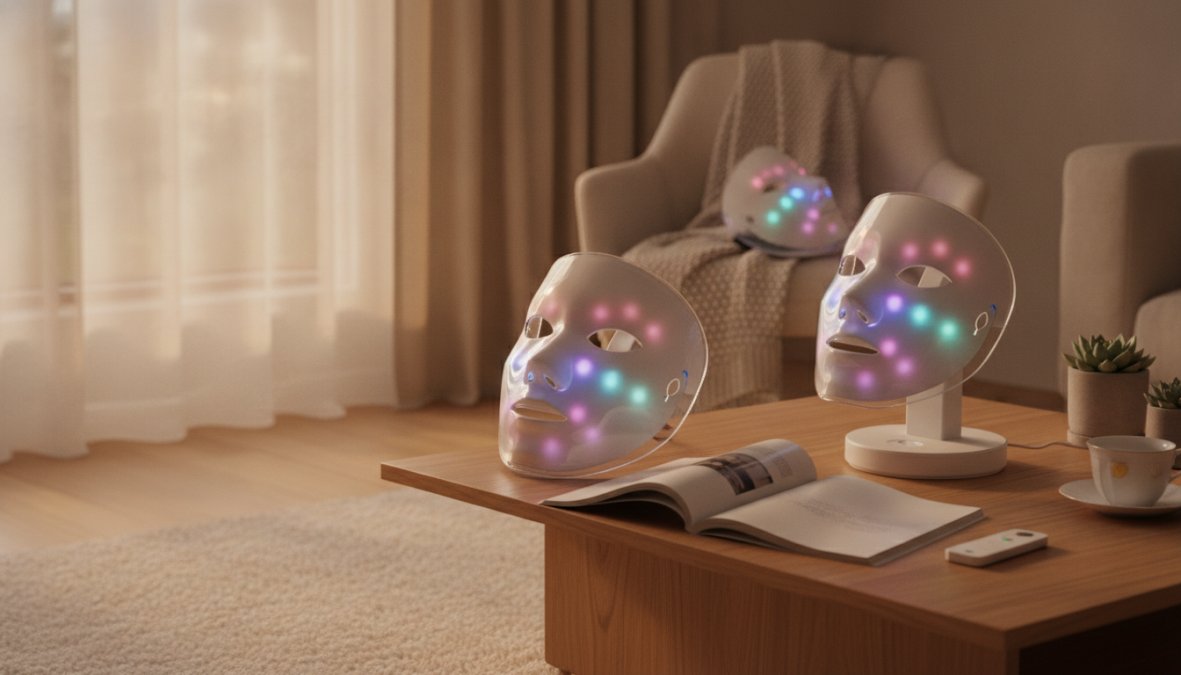
The Beautivana 3D Wireless LED Facial Mask delivers red and near-infrared wavelengths across the entire face and neck. The 3D contoured design ensures consistent light distribution, and the wireless feature eliminates tangled cords during treatment. At $155.00, this mask offers exceptional value compared to clinical-grade alternatives costing three times as much. Most users report visible improvements in skin texture and brightness within 3-4 weeks of consistent use.
Pros:
Cons:
The Omnilux Contour Face is purpose-built for wrinkle reduction and collagen stimulation. This FDA-cleared device uses precisely calibrated 633nm red light and 830nm near-infrared wavelengths backed by over 40 peer-reviewed clinical studies. Research demonstrates measurable wrinkle reduction after 12 weeks of consistent use at 10 minutes, 3-5 times per week.
Pros:
Cons:
The Dr. Dennis Gross DRx SpectraLite FaceWare Pro combines red and blue light therapy in a single FDA-cleared device, addressing both anti-aging and acne concerns. Red light stimulates collagen production while blue light targets acne-causing bacteria. Treatment sessions last just 3 minutes with automatic shut-off, making it easy to integrate into daily routines.
Pros:
Cons:
The Beautivana LED Facial Beauty Device at $85.50 is the most affordable entry point to red light therapy. This handheld device delivers red light wavelengths across targeted areas, making it ideal for spot treatment or users new to light therapy. Users report visible brightness improvements within 2-3 weeks and gradual fine line reduction with consistent use.
Pros:
Cons:
The Solawave 4-in-1 Radiant Renewal Skincare Wand combines red light therapy (630nm) with galvanic current, therapeutic warmth, and facial massage. At $169.00, it bridges the gap between budget and premium options. The lightweight design and rechargeable battery make it genuinely travel-friendly. Results emerge within 3-4 weeks for brightness and 8-12 weeks for wrinkle reduction.
Pros:
Cons:
Red light therapy's most celebrated benefit is wrinkle reduction through collagen stimulation. Near-infrared wavelengths penetrate deep enough to reach fibroblasts in the dermis, triggering increased collagen and elastin production. Clinical studies show 20-30% improvement in wrinkle appearance after 12 weeks of consistent use. Consistency matters more than intensity, regular moderate use beats sporadic intensive treatment.
Blue light wavelengths (around 415 nanometers) target Propionibacterium acnes, the bacteria responsible for acne formation. Red light complements this by reducing inflammation and promoting healing. Most acne-prone users see 40-50% reduction in active breakouts within 4-6 weeks.
LED light therapy improves overall skin texture, tone, and radiance through enhanced cellular activity. Users report smoother skin feel within 2-3 weeks and more even skin tone after 6-8 weeks. Hyperpigmentation and dark spots also respond to LED therapy as cellular stimulation promotes even melanin distribution.
Most manufacturers recommend 3-5 sessions per week for 10-20 minutes per session. Consistency matters far more than intensity, daily 10-minute sessions outperform weekly 60-minute marathons. New users should start conservatively at 2-3 times per week for 10 minutes, then increase frequency as skin adapts.
Skin brightness and texture improvements typically emerge within 2-4 weeks of consistent use. Fine line reduction becomes noticeable around 6-8 weeks. Significant wrinkle reduction requires 12 weeks minimum, often extending to 16 weeks. LED therapy is cumulative, each treatment builds on previous ones. Maintenance typically requires 1-2 sessions weekly after achieving desired results.
Eye safety is the most important safety consideration. While red and near-infrared wavelengths are generally safer than UV light, direct eye exposure should be avoided. Most full-face masks include built-in eye protection or require users to keep eyes closed during treatment. Best practice: Always keep eyes closed during treatment and wear protective goggles if treating the eye area specifically.
LED bulbs degrade over time, gradually losing intensity. Most quality devices maintain 80-90% of original output after 1-2 years of regular use. Premium devices like Omnilux and Dr. Dennis Gross offer replaceable LED panels, while budget devices often require complete replacement. Store devices in cool, dry environments away from direct sunlight and moisture.
LED light therapy is generally safe for most skin types, but specific contraindications exist. Individuals taking photosensitizing medications (certain antibiotics, NSAIDs, retinoids) should consult dermatologists before starting. Recent chemical peels, laser treatments, or aggressive microdermabrasion require healing time before introducing LED therapy. Some users experience mild redness or warmth during treatment, this is normal and typically subsides within 30 minutes.
Irradiance, measured in milliwatts per square centimeter (mW/cm²), determines how much light energy reaches your skin per unit area. Clinical studies showing measurable results generally use devices delivering 50+ mW/cm². The sweet spot for most users is 50-100 mW/cm². Clinical efficacy matters more than marketing claims. Look for devices backed by peer-reviewed studies published in dermatological journals.
Full-face masks provide comprehensive coverage and consistent light distribution, ideal for maximum efficiency. Handheld wands offer maximum portability and targeted treatment but require more user effort. Choose based on your lifestyle and priorities. Frequent travelers should prioritize wands like the Solawave. Users seeking maximum convenience should choose masks like the Beautivana 3D Wireless.
Battery life directly impacts usability. Devices requiring daily charging become tedious; those lasting 3-7 days between charges offer better convenience. Lithium-ion batteries maintain consistent performance over hundreds of charge cycles. Premium devices typically outlast budget alternatives by several years due to superior battery technology.
Choosing the best at-home LED light therapy device requires balancing clinical efficacy, budget, lifestyle needs, and specific skin concerns. The Beautivana 3D Wireless LED Facial Mask delivers professional-grade results at accessible pricing, combining proven red and near-infrared wavelengths with wireless convenience. Its contoured design ensures comprehensive facial coverage, and adjustable intensity settings accommodate various skin types. With fast U.S. shipping and luxury-focused design, it represents the ideal entry point for most users seeking visible skin improvement.
Yes, FDA-cleared LED light therapy devices like the Omnilux Contour Face and Dr. Dennis Gross DRx SpectraLite are backed by clinical studies demonstrating their effectiveness for wrinkle reduction and skin rejuvenation. Results depend on consistent use, most users see visible improvements in 8-12 weeks with regular treatment. The key is choosing a device with proven irradiance levels and appropriate wavelengths (red light at 633nm and near-infrared at 830nm for anti-aging benefits).
The Omnilux Contour Face is widely considered the best for anti-aging, using 633nm red light and 830nm near-infrared wavelengths to stimulate collagen production and reduce wrinkles. For budget-conscious shoppers, the Beautivana 3D Wireless LED Facial Mask ($155) offers professional-grade technology at a lower price point. Both devices require consistent use, 3-5 times weekly for 10-15 minutes, to achieve visible results in skin texture and fine line reduction.
Most LED light therapy devices recommend 3-5 treatments per week at 10-15 minutes per session for optimal results. Some devices, like the Dr. Dennis Gross DRx SpectraLite, use shorter 3-minute sessions. Expect to see noticeable improvements in skin tone, texture, and fine lines within 8-12 weeks of consistent use. Maintenance treatments 2-3 times weekly help sustain results. Avoid overuse, as excessive treatment may cause skin irritation or sensitivity.
FDA-cleared LED light therapy devices are safe when used as directed. Always wear protective goggles to shield your eyes from LED light exposure. Avoid use if you have photosensitivity, take photosensitizing medications, or have active skin conditions like severe rosacea without consulting a dermatologist. Check for contraindications with certain medical conditions before starting treatment. Rechargeable devices should be inspected for damage before each use to ensure safe operation.
Red light (600-700nm, typically 633nm) targets surface-level concerns like wrinkles, fine lines, and skin texture. Near-infrared light (700-1100nm, typically 830nm) penetrates deeper to stimulate collagen and improve overall skin rejuvenation. Blue light (400-500nm) is effective for acne treatment and bacterial control. The best at-home LED light therapy devices often combine multiple wavelengths, like the Dr. Dennis Gross DRx SpectraLite with red and blue options, to address both anti-aging and acne concerns.
Whether you're targeting wrinkles, acne, or general skin rejuvenation, LED light therapy offers measurable, science-backed results when used consistently. Start with the Beautivana collection and experience how professional-grade light therapy transforms your at-home skincare routine. Shop All Best Sellers and discover which device aligns with your skin goals and lifestyle. Visible radiance is achievable with the right device and commitment to consistent treatment.
This article was written using GrandRanker