

Last Updated: September 27, 2026
Dehydrated skin and dry skin are not the same thing, even though people use the terms interchangeably. Understanding the difference changes how you treat it.
Dehydrated skin lacks water. Your skin feels tight, looks dull, and may have fine lines that weren't there before. It can feel uncomfortable even if it looks shiny. Dehydrated skin happens when your skin barrier isn't holding onto moisture properly.
Dry skin lacks oil. It feels rough, flaky, and uncomfortable. Dry skin is often a skin type you're born with, while dehydration is a temporary condition you can fix.
The key difference: dehydrated skin needs hydration (water). Dry skin needs nourishment (oil and barrier support).
Here's how to tell which one you have:
Most people with dehydrated skin actually have a combination issue. Their skin barrier is compromised, so water escapes.
Fixing dehydrated skin fast requires a three-step approach: cleanse gently, apply hydration, then lock it in. You can see improvement within 24 to 48 hours if you do this consistently.
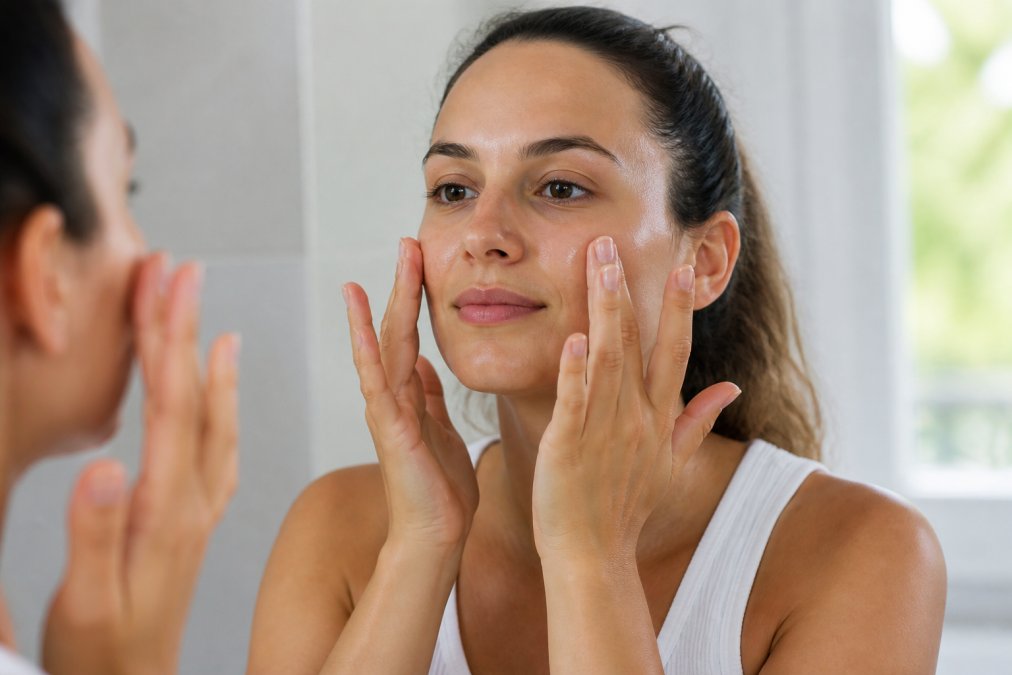
Your cleanser matters more than you think. A harsh cleanser removes the oils your skin needs to hold water.
Use a gentle, creamy cleanser. Avoid anything that leaves your skin feeling tight. Wash your face with lukewarm water, not hot water. Hot water opens your pores and lets moisture escape.
Pat your skin dry gently. Don't rub. Leave your skin slightly damp for the next step.
This is the most important step. Applying serum to damp skin helps it absorb better and hold more water.
Choose a serum with hyaluronic acid or ceramides. Hyaluronic acid pulls water into your skin. Ceramides repair your barrier so water stays there.

The Beautivana Hyaluronic Acid 2% + B5 Hydrating Serum combines both benefits. It has hyaluronic acid to draw moisture in and panthenol to support your barrier. Apply 2-3 drops to damp skin. Press gently until absorbed.
Use 2-3 drops. More isn't better. Too much serum sits on top of your skin instead of absorbing.
A moisturizer seals everything in. Without this step, the hydration evaporates.
Look for moisturizers with ceramides and panthenol. These ingredients support your skin barrier. A rich moisturizer doesn't have to feel heavy. The Beautivana Ceramide Skin Barrier Moisturizer feels comfortable while it works.
Apply while your skin is still slightly damp. This traps water in your skin. Use morning and evening for fastest results.
Not all serums work the same way. The best ones for dehydrated skin address the root problem: a weak barrier that can't hold water.
Hyaluronic acid is a humectant. That means it pulls water from the air into your skin. It works fast, often within hours.
Look for serums with 2% hyaluronic acid or higher. The Beautivana Hyaluronic Acid 2% + B5 Hydrating Serum delivers 2% hyaluronic acid. It also includes panthenol, which provides comforting moisture and supports the skin's moisture barrier.
Apply to damp skin for maximum absorption. This serum layers well under other products.
Ceramides are lipids that form your skin barrier. When your barrier is damaged, water escapes. Ceramides rebuild it.
The Beautivana Milky Ceramide Face Serum combines ceramides with hyaluronic acid and vitamin E. This combination hydrates and repairs at the same time. It has a lightweight milky texture that absorbs quickly.
Use this serum if your skin feels sensitive or reactive.
Not every hydrating serum works equally well. Use this checklist to evaluate options:
Avoid serums with alcohol. Alcohol dries skin out further.
Beautivana Milky Ceramide Face Serum →
Dehydrated skin often looks rough and bumpy. Improving texture requires hydration plus gentle exfoliation. The combination smooths your skin visibly.
Exfoliation removes dead skin cells that trap moisture. But harsh exfoliation damages your barrier further.
Use chemical exfoliants instead of physical scrubs. AHAs and BHAs dissolve dead skin gently. LHA and PHA are even milder options.
The Beautivana Cactus Hydrating Facial Serum includes LHA and PHA alongside hydrating cactus and ceramides. This means you get gentle exfoliation and hydration in one product. Use it 2-3 times per week at first.

Start slowly with exfoliating ingredients. Introduce them gradually. Your barrier needs time to strengthen.
Masks deliver concentrated hydration quickly. Use them 2-3 times per week for intensive treatment.
Look for masks with hyaluronic acid, ceramides, or glycerin. Sheet masks work well for dehydrated skin. They keep ingredients on your skin longer than rinse-off masks.
Leave a mask on for 15-20 minutes. Some masks can stay on longer. Check the instructions.
Use masks in the evening. Your skin repairs itself at night, so hydrating before bed maximizes results.
Most people make one of these mistakes without realizing it. Fixing just one can dramatically speed up results.
Using too many products. More products don't mean faster hydration. They can overwhelm your barrier. Stick to cleanser, serum, and moisturizer. Add a mask 2-3 times weekly.
Applying products to dry skin. Serums absorb better on damp skin. Damp skin also holds water better. This one change makes a huge difference.
Skipping the moisturizer. Serums hydrate. Moisturizers seal hydration in. Both steps matter equally. Skip the moisturizer and your serum's benefits evaporate.
Using hot water. Hot water feels good but damages your barrier. Use lukewarm water instead. This simple change reduces irritation immediately.
Waiting too long between steps. Apply serum to damp skin, then moisturizer within a minute. Waiting lets water evaporate. Speed matters here.
Hydration works fast when you do it right. Most people see improvement within 24 to 48 hours.
Within 24 hours: Your skin feels more comfortable. Tightness decreases. Irritation calms down.
Within 3-7 days: Dullness fades. Your skin looks more radiant. Fine lines caused by dehydration become less noticeable.
Within 2-4 weeks: Texture improves noticeably. Your skin barrier strengthens. You may need less moisturizer because your skin holds water better.
Results depend on consistency. Using the routine once won't work. Use it twice daily for fastest results.
If you don't see improvement after two weeks, your skin barrier may need more intensive repair. Consider adding a hydrating mask or switching to a richer moisturizer.
| Timeline | What to Expect | What to Do |
|---|---|---|
| 24 hours | Reduced tightness, calmer irritation | Continue routine twice daily |
| 3-7 days | More radiance, less dullness | Maintain consistency |
| 2-4 weeks | Improved texture, stronger barrier | Evaluate if barrier feels fully repaired |
| 4+ weeks | Sustained hydration, fewer fine lines | Adjust routine based on results |
Apply a hydrating serum containing hyaluronic acid or ceramides to damp skin immediately after cleansing, then seal with a moisturizer. Hyaluronic acid draws moisture into the skin, while ceramides repair the barrier to prevent water loss. Most people notice improved hydration within 24-48 hours of consistent use. The key is applying serums to slightly damp skin, this helps them absorb more effectively and deliver faster results.
Dehydrated skin feels tight and uncomfortable but may appear oily or normal-looking, often with a dull, uneven texture. Dry skin is a skin type characterized by a lack of natural oils and feels rough or flaky. Dehydration is a temporary condition caused by moisture loss and can affect any skin type. If your skin feels tight after cleansing but your T-zone feels oily, you likely have dehydrated skin and need hydrating serums rather than heavy oils.
Hyaluronic acid, ceramides, panthenol (vitamin B5), and glycerin are the most effective ingredients for rapid rehydration. Hyaluronic acid holds up to 1000 times its weight in water, drawing moisture deep into the skin. Ceramides repair the skin barrier to prevent moisture loss. Panthenol soothes and conditions dry-feeling skin. The Beautivana Hyaluronic Acid 2% + B5 Hydrating Serum combines hyaluronic acid with panthenol for hydration, while the Beautivana Ceramide Skin Barrier Moisturizer supports the skin barrier and replenishes moisture with ceramides and hyaluronic acid.
Most people notice softer, more comfortable skin within 24-48 hours of starting a hydrating routine. Visible improvement in texture and radiance typically appears within 3-5 days of consistent twice-daily use. For significant changes in skin plumpness and the appearance of fine lines, allow 2-3 weeks. Results depend on how dehydrated your skin was at the start and whether you're using the right products for your skin type. Consistency matters more than waiting for a quick fix.
Dehydrated skin responds quickly to the right approach. The key is using hydrating serums on damp skin, then sealing everything in with a barrier moisturizer. Beautivana's curated collection of hydrating serums and moisturizers makes this routine simple. Shop Korean skincare and beauty devices designed specifically for restoring radiant, deeply hydrated skin. With fast U.S. shipping and products formulated for intensive hydration, you'll see visible results within days.