

Last Updated: July 17, 2026
A hydrating serum is a lightweight, fast-absorbing liquid formula that delivers concentrated moisture and active ingredients deep into your skin. Unlike heavier creams, serums penetrate quickly due to their smaller molecular structure, making them ideal for layering under moisturizers or wearing alone on humid days.
Serums work by creating a hydration foundation that plumps skin cells, smooths fine lines, and restores a dewy glow. What distinguishes them from moisturizers is their higher concentration of active ingredients, a serum might contain 10-20% hyaluronic acid compared to 2-5% in a cream. This potency is why dermatologists increasingly recommend serums as the cornerstone of modern skincare.
Hydrating serums work by attracting water molecules to the skin's surface and binding them within the epidermis. Ingredients like hyaluronic acid are hygroscopic, meaning they can hold up to 1000 times their weight in water. A daily hydrating serum acts as a barrier against moisture loss, keeping your skin barrier intact and your complexion glowing.
Dehydrated skin looks rough with uneven texture. Hydrating serums smooth this texture by plumping individual skin cells with moisture. When cells are properly hydrated, they swell slightly, filling in fine lines and creating a visibly smoother surface. Hydrated skin reflects light uniformly, creating the coveted "glass skin" effect.
Fine lines are often a symptom of dehydration rather than true aging. A daily hydrating serum addresses this by restoring moisture to the dermis, which plumps the skin and softens the appearance of existing lines. Many people find that fine lines around the eyes and forehead soften noticeably within 4-6 weeks of daily serum use.
Dull, tired-looking skin is almost always dehydrated skin. Hydrating serums restore luminosity by bringing moisture back into the epidermis, allowing skin to reflect light properly and look naturally radiant. This glow is amplified when serums contain brightening ingredients like vitamin C or niacinamide.
Your skin barrier protects against environmental stressors, bacteria, and moisture loss. Hydrating serums strengthen this barrier by delivering ceramides, glycerin, and other barrier-supporting ingredients that fill gaps in the skin's protective layer. A strengthened barrier retains moisture more effectively and becomes less reactive to irritants.
Many hydrating serums contain soothing ingredients like aloe vera, chamomile, or centella asiatica that reduce inflammation and calm irritated skin. These ingredients work alongside hydration to create a protective, healing environment for reactive or sensitive skin.
A common misconception is that hydrating serums are only for dry skin. Oily and combination skin types benefit enormously from hydration. When skin is dehydrated, sebaceous glands overproduce oil to compensate. A lightweight hydrating serum addresses this by providing the moisture your skin actually needs, which signals your sebaceous glands to stop overproducing oil.
Hyaluronic acid is the gold standard hydrating ingredient, but not all formulas are created equal. The molecular weight of hyaluronic acid determines how deeply it penetrates your skin and how long it provides hydration.
High molecular weight hyaluronic acid (above 1 million Daltons) sits on the skin's surface and provides immediate hydration. Low molecular weight hyaluronic acid (below 10,000 Daltons) penetrates deeper into the epidermis and dermis, providing longer-lasting hydration from within. Many effective serums use a combination of both molecular weights to deliver immediate and long-term benefits.
Beyond hyaluronic acid, the best hydrating serums contain complementary ingredients that work synergistically to hydrate, protect, and repair.
Glycerin is a humectant that draws moisture from the environment into your skin. Ceramides are lipids that form part of your skin's natural barrier and help repair and strengthen it. Peptides are amino acid chains that signal your skin to produce more collagen and elastin. Niacinamide (vitamin B3) regulates sebum production, reduces inflammation, and strengthens the barrier. Antioxidants like vitamin C, vitamin E, and green tea extract protect your skin from free radicals while supporting collagen production. Squalane is a lightweight oil that mimics your skin's natural sebum, providing hydration without feeling heavy. Aloe vera and chamomile are botanical extracts that soothe inflammation and calm irritated skin.
The most effective serums combine 3-5 of these ingredients in a formula designed for your specific skin type and primary concern.
The order in which you apply products matters significantly for effectiveness. Hydrating serums should be applied after cleansing but before heavier products like creams or oils.
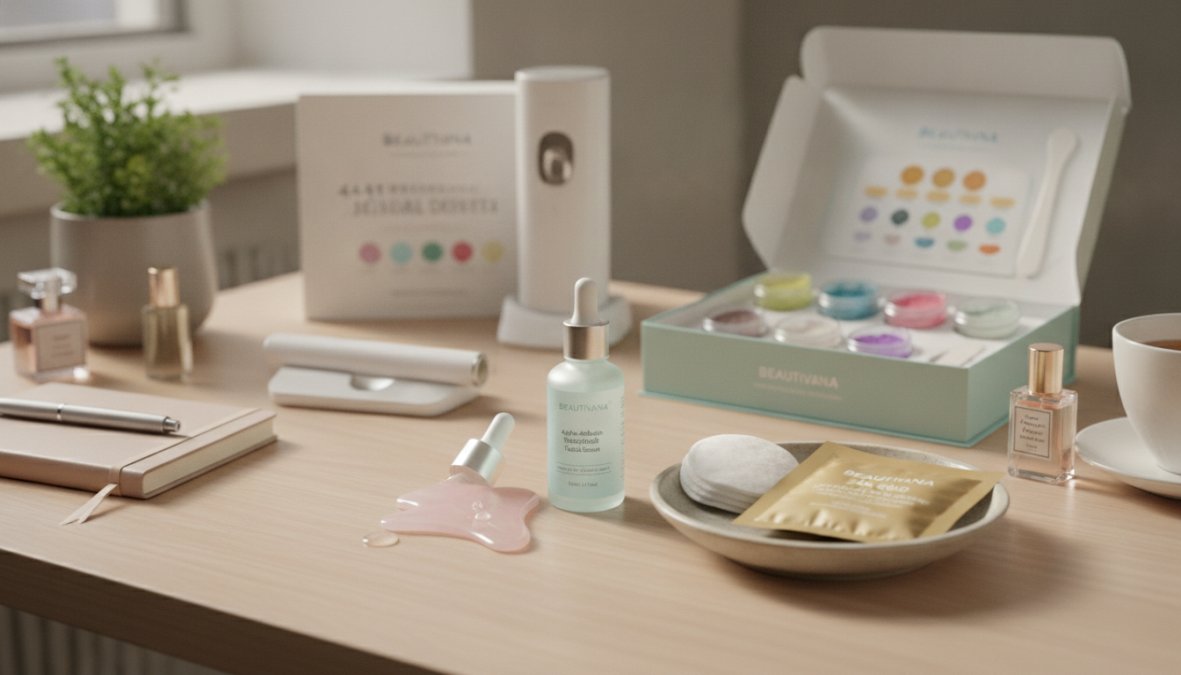
Step 1: Cleanse Your Skin Start with a gentle cleanser appropriate for your skin type. Pat your skin dry but leave it slightly damp, this allows the serum to penetrate more effectively.
Step 2: Apply Hydrating Serum Dispense 2-3 drops of serum onto your fingertips and gently press it into your skin, starting with your cheeks, forehead, and chin. Allow the serum 30-60 seconds to absorb before applying the next product.
Step 3: Layer Additional Treatments (Optional) If you use other serums, like vitamin C or retinol, apply them now, waiting 1-2 minutes between applications.
Step 4: Apply Moisturizer Once your hydrating serum has absorbed, apply a lightweight moisturizer to seal in the hydration.
Step 5: Apply Sunscreen (Morning Only) In the morning, finish with a broad-spectrum SPF 30 or higher.
(https://cbu13r-hj.myshopify.com/products/korean-skincare-set-for-glowing-skin-ojensy-4-step)]Frequency: Use your hydrating serum twice daily, morning and evening, for best results.
Mistake 1: Applying to Completely Dry Skin Serums work best on damp skin because water acts as a carrier for active ingredients.
Mistake 2: Using Too Much Product A little serum goes a long way. Using more than 2-3 drops per application wastes product and can leave your skin feeling sticky.
Mistake 3: Skipping the Moisturizer Hydrating serums work best when sealed in with a moisturizer. Without an occlusive barrier, the serum's hydration can evaporate.
Mistake 4: Applying Multiple Heavy Serums at Once If you use multiple serums, apply them in order of molecular weight, lightest first. Wait 1-2 minutes between applications.
Mistake 5: Not Waiting Long Enough Between Products Allow each product 30-60 seconds to absorb before applying the next one.
A hydrating serum is a lightweight, liquid formula with high concentrations of active ingredients that penetrate deeply into the epidermis and dermis.
A moisturizer is a thicker formula (cream, lotion, or oil) that creates an occlusive barrier on your skin's surface, preventing transepidermal water loss.
The key difference: Serums deliver, moisturizers seal. You need both for optimal hydration. The serum provides the moisture and active ingredients, while the moisturizer locks everything in so it doesn't evaporate.
| Product Type | Texture | Penetration | Purpose | Best For |
|---|---|---|---|---|
| Hydrating Serum | Lightweight liquid | Deep | Deliver active ingredients | All skin types |
| Moisturizer | Thick cream/lotion | Surface | Seal and protect | All skin types |
| Combined Use | Serum + Moisturizer | Deep + Surface | Hydrate and seal | Optimal hydration |
Finding the right serum means considering both your budget and your specific skin concerns. Effective hydrating serums exist at every price point.
Drugstore serums ($15-30 per bottle) can deliver genuine hydration and visible results. These formulas typically contain hyaluronic acid, glycerin, and basic antioxidants. Look for drugstore serums with hyaluronic acid, glycerin, and niacinamide listed in the first five ingredients.
Premium serums ($40-100+) typically contain higher concentrations of active ingredients, more advanced delivery systems, and additional beneficial ingredients like peptides or retinol. The Beautivana PDRN Collagen Hydrating Serum ($27.99) bridges the gap between drugstore and luxury pricing, combining hyaluronic acid with PDRN (a DNA fragment that supports skin repair) for professional-grade hydration at an accessible price point.
Sensitive skin requires special consideration when choosing a hydrating serum. While hydrating serums are generally gentler than active treatments, some formulas can trigger irritation.
Common irritants to avoid: alcohol, fragrance, essential oils, and high concentrations of acids. Look for serums labeled "hypoallergenic" or "for sensitive skin" containing soothing ingredients like aloe vera, centella asiatica, or chamomile.
Potential side effects for sensitive skin:
Introduce one new product at a time and wait 1-2 weeks before adding another.
Hyaluronic acid is often sourced from rooster combs or fermented in laboratories using bacterial cultures. Lab-fermented hyaluronic acid is the more sustainable option because it doesn't require animal sources.
Plant-based ingredients like aloe vera, chamomile, and centella asiatica should be sourced sustainably to avoid depleting wild populations. Look for serums that source these ingredients from certified sustainable suppliers.
Packaging significantly impacts the environmental footprint of serums. Glass bottles are infinitely recyclable but heavier to ship. Some brands now offer refillable serum containers, which dramatically reduce packaging waste over time.
The most sustainable approach is choosing a serum you'll actually use consistently and that delivers results, rather than buying multiple serums that end up partially used and discarded.
Hydrated, glowing skin is the foundation of effective skincare. The benefits of daily hydrating serums extend from immediate visible improvements to long-term skin health and resilience. Whether you're dealing with dehydration, aging concerns, sensitivity, or simply want to elevate your skincare routine, a quality hydrating serum is the most efficient investment you can make.
A hydrating serum delivers concentrated moisture and active ingredients deep into the skin, improving hydration levels, plumping fine lines, and enhancing skin texture. Hydrating serums contain ingredients like hyaluronic acid and glycerin that attract and bind water to the skin, promoting a supple, glowing appearance while supporting the skin barrier.
Key ingredients in hydrating serums include hyaluronic acid (for deep hydration), ceramides (for barrier repair), niacinamide (for oil balance), peptides (for elasticity), glycerin (for moisture retention), and antioxidants like vitamin C (for radiance). PDRN and squalane are also excellent additions for plump skin and enhanced absorption.
While hydrating serums deliver moisture, they work best layered under a moisturizer. Serums penetrate deeply to hydrate, while moisturizers seal in that hydration and protect your skin barrier. Using both together maximizes benefits, apply serum to damp skin, then follow with moisturizer and sunscreen for complete care.
Daily use of hydrating serums delivers optimal benefits for most skin types. Apply morning and evening after cleansing and before moisturizer. Consistent daily application helps maintain skin hydration, improve texture, reduce fine lines, and strengthen your skin barrier over time. Results typically become visible within 2-4 weeks of regular use.
This article was written using GrandRanker