

Last Updated: September 11, 2026
If your skin stings when you apply moisturizer, the fix probably isn't a thicker cream. A damaged skin barrier is a compromised outer layer that has lost its ability to hold water and keep irritants out, and piling heavy occlusives on top often traps heat, clogs pores, and delays the repair process rather than speeding it up.

This guide from Beautivana covers how to recognize a compromised barrier, which lightweight alternatives actually support repair, and how to layer them for results. The five categories below are what we reach for first.
Here's the counterintuitive part most guides skip: heaviness is not the same as effectiveness. According to dermatology guidance on skin barrier function, the barrier responds to the right ratio of humectants, ceramides, and fatty acids, not to the sheer weight of the product sitting on your face.
A damaged skin barrier typically announces itself through stinging, redness, tightness, and a rough, uneven texture that no amount of exfoliation fixes. If your usual products suddenly burn, that's the clearest signal.
Watch for these specific indicators:
What most guides miss is that oiliness and barrier damage coexist more often than people assume. A compromised barrier can trigger excess oil production as the skin tries to compensate for moisture loss, which is why heavy creams backfire: they add weight without addressing the underlying dehydration (peer-reviewed research).
If you're seeing three or more of the signs above, strip your routine back to cleanser, one hydrating serum, and a lightweight moisturizer for two weeks before adding anything else.
The best barrier repair serums pair humectants with ceramides and peptides, delivering hydration without the occlusive film that heavy creams leave behind. Texture matters as much as the ingredient list here.
Ceramides are the workhorses. They're naturally occurring lipids that make up a significant portion of the skin's outer layer, and topical ceramides help replenish what damage has stripped away (PubMed). Pair them with hyaluronic acid for water binding and niacinamide for supporting the barrier's lipid production.
The Beautivana Milky Ceramide Face Serum uses ceramides, hyaluronic acid, vitamin E, and a mineral complex in a milky texture that absorbs without residue. It's a straightforward option if you want one serum doing most of the repair work.
For something with a lighter, jelly-like finish, the Beautivana PDRN Collagen Hydrating Serum layers PDRN, collagen, and niacinamide. It's designed to sit under moisturizer without pilling, which matters when you're building a multi-step routine.

If redness is your primary concern alongside barrier damage, the Cica Collagen Hydrating Facial Serum brings Centella Asiatica into the mix. Cica is well established for calming the appearance of irritation, and this formula combines it with collagen and niacinamide.
Gel moisturizers are the strongest alternatives to heavy creams for damaged barriers because they deliver hydration through water-binding ingredients rather than occlusive butters. They absorb quickly, don't trap heat, and work well under sunscreen.
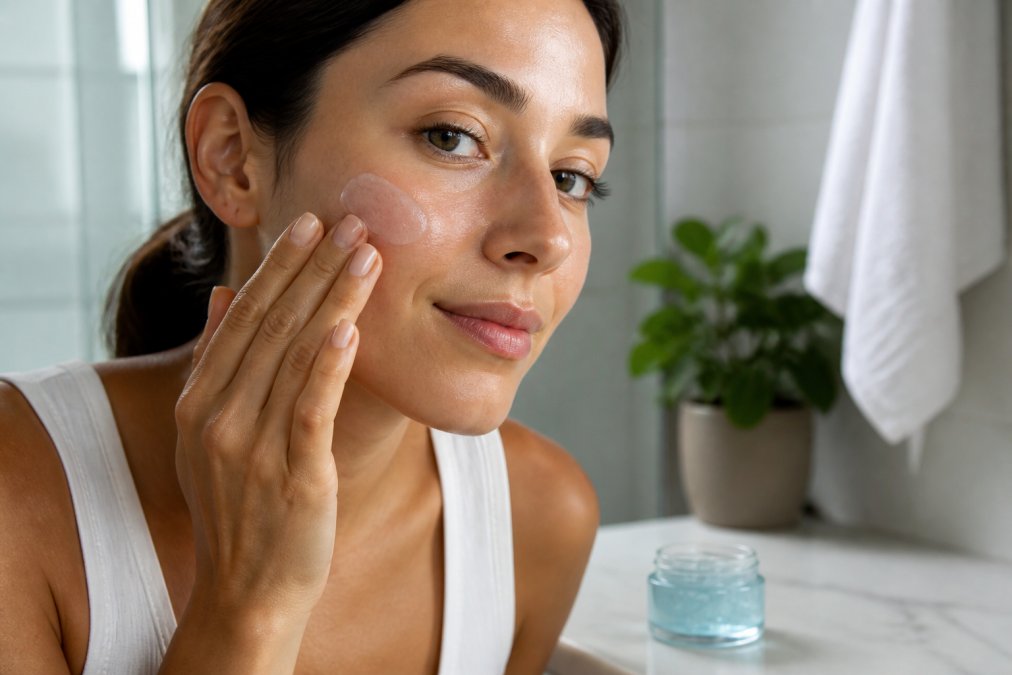
The Beautivana PDRN Capsule Gel Moisturizer is a lightweight option at $19.25. The capsule texture blends in quickly and leaves a refreshed finish rather than a coated one, which suits anyone who has ever felt like their cream was sitting on top of their skin.
For a gel-cream hybrid, the Beautivana TXA Niacinamide Hydrating Face Cream combines tranexamic acid with 5% niacinamide in a capsule texture. Niacinamide at that concentration supports the barrier while TXA addresses the uneven tone that often accompanies prolonged irritation.
Snail mucin deserves a mention here too. The Beautivana Snail Mucin 92% Moisturizer uses 92% snail secretion filtrate in a texture that spreads easily without heaviness. It's a K-Beauty staple for a reason: it hydrates comfortably and layers well.
| Product | Format | Key Ingredients | Best For |
|---|---|---|---|
| PDRN Capsule Gel Moisturizer | Gel | PDRN | Oily or heat-sensitive skin |
| TXA Niacinamide Face Cream | Gel-cream | TXA, 5% niacinamide | Uneven tone with irritation |
| Snail Mucin 92% Moisturizer | Light cream | 92% snail secretion filtrate | Layering under sunscreen |
| Ceramide Skin Barrier Moisturizer | Cream | Ceramides, panthenol, HA | Dry skin needing more cushion |
Improving skin texture at home comes down to supporting the barrier consistently while avoiding the two things that set it back: over-exfoliation and heavy occlusive layers that trap debris. Texture improves when the barrier is intact, not when it's scrubbed into submission.
A practical sequence:
Skip acids entirely for the first two weeks of barrier repair. Once stinging stops, reintroduce one exfoliant at low frequency, no more than twice weekly.
The Beautivana Ceramide Skin Barrier Moisturizer is the heaviest option we'd recommend during repair, and it still avoids the greasy film of a traditional heavy cream. Ceramides, panthenol, and hyaluronic acid work together to replenish moisture while leaving skin feeling soft rather than smothered.
If you want to combine moisturizing with a massage step, the PDRN Peptide Hydrating Gua Sha Cream has a built-in applicator and includes PDRN, peptides, niacinamide, Centella Asiatica, and hydrolyzed hyaluronic acid. The massage action supports circulation, which many people find helps with the dullness that accompanies a compromised barrier.
Layering works when you go thinnest to thickest, and when you give each layer 30 to 60 seconds to absorb before adding the next. This order lets water-binding ingredients reach the skin first and lets the final moisturizer seal them in.
The sequence that works for most people:
At night, if a gel alone doesn't feel like enough, the NAD Peptide Boosting Cream brings squalane, niacinamide, and palmitoyl pentapeptide-4 into a formula that supports moisture retention and a firmer-looking complexion without the weight of a traditional night cream.
The Retinol Collagen Gua Sha Cream is worth considering only after your barrier has stabilized. Retinol is not a repair ingredient, and introducing it during active irritation tends to make things worse. Once stinging has stopped for two consecutive weeks, it becomes a reasonable evening addition with its collagen and peptide content.
For customers in the metro area, the practical advantage of a lightweight routine is that it holds up through humid summers and still provides enough cushioning when indoor heating dries things out in winter.
Rebuilding a damaged skin barrier takes consistency, not intensity, and the products you choose matter less than whether you can stick with them daily. Beautivana carries the lightweight serums, gel moisturizers, and ceramide formulas that make that routine sustainable, with fast U.S. shipping and a curated selection of spa-inspired Korean skincare. Start with the Milky Ceramide Face Serum and the PDRN Capsule Gel Moisturizer, then build from there. Shop All Best Sellers and give your barrier the support it actually needs.
Ceramides, hyaluronic acid, panthenol (vitamin B5), niacinamide, and Centella Asiatica are excellent lightweight ingredients. Ceramides replenish the skin's natural lipids, while hyaluronic acid attracts moisture without heaviness. Niacinamide supports the barrier and improves texture. Look for serums and gel moisturizers featuring these ingredients, such as Beautivana's Milky Ceramide Face Serum or PDRN Capsule Gel Moisturizer, to repair without clogging pores.
Yes. Heavy creams can sometimes trap bacteria or feel suffocating on compromised skin. Lightweight alternatives like hydrating serums, gel moisturizers, and milky lotions deliver barrier-supporting ingredients such as ceramides and peptides in textures that absorb quickly. The key is consistent application of humectants and occlusives in a breathable formula. Beautivana's Snail Mucin 92% Moisturizer provides comforting moisture with a lightweight finish suitable for daily use.
Common signs of a damaged skin barrier include persistent redness, stinging or burning when applying products, dry patches that don't improve with moisturizer, increased sensitivity, and a tight or rough texture. You may also notice more breakouts or irritation from products that previously worked fine. If your skin feels reactive and uncomfortable, simplifying your routine and using gentle, barrier-supporting products is the first step toward recovery.
Absolutely. Lightweight barrier repair serums and gel moisturizers can be highly effective because they deliver concentrated ingredients like ceramides, peptides, and hyaluronic acid without heavy occlusive films. Serums penetrate deeper, while gels provide hydration without greasiness. For best results, layer a hydrating serum under a gel moisturizer to mimic the skin's natural lipid barrier. Beautivana's Cica Collagen Hydrating Facial Serum and PDRN Capsule Gel Moisturizer are excellent options for this approach.
With a gentle, consistent routine, many people notice improvement in 2 to 4 weeks. However, full barrier recovery can take 6 to 8 weeks depending on the severity of damage and your skin's natural healing rate. Avoid exfoliants and harsh actives during this time. Focus on hydration, barrier-supporting ingredients, and sun protection. If irritation persists, consult a dermatologist.