

Last Updated: September 7, 2026
Learning how to layer serums for radiance is the single most effective way to upgrade a basic skincare routine without adding more steps. When applied in the right order, lightweight hydrating formulas create a cumulative glow that no single product can achieve on its own. This guide from Beautivana walks through the exact sequence, timing, and techniques, whether you are new to K-beauty layering or refining a routine that has stopped working. Below, we break down the process into simple, repeatable steps you can start tonight.
Most guides overcomplicate this, but the underlying logic is simple: you apply products from thinnest to thickest consistency so each layer can absorb. The payoff for getting the order right is a smooth, lit-from-within finish rather than a sticky surface of products fighting each other.
The golden rule for radiant skin is to apply your most watery formulas first and your richest, most occlusive textures last. This ensures each layer penetrates instead of sitting on top of the previous one, which is the core principle of how to layer serums for radiance effectively.
Following a double cleanse and toner, your radiance-focused layering sequence should look like this:
Your radiance routine deserves products that are formulated to sit well together. Look for lightweight, fast-absorbing textures that are easy to layer under moisturizer and sunscreen, which is why the Korean skincare philosophy of hydration layering emphasizes damp skin as the ideal canvas.
For a glowing base, consider these Beautivana options built for layering:
You do not need to wait between every single layer, but you do need each product to feel tacky rather than wet before moving on. If you are wondering how long to wait between skincare steps, the practical answer is 30 to 60 seconds per layer, or just until the previous serum has mostly absorbed (the American Academy of Dermatology).

Rushing this step dilutes your actives and creates pilling. A good rule of thumb is to apply your next serum when your skin feels slightly sticky but not slippery. For richer creams and sunscreens, wait a full two minutes so the emulsion can set properly before applying makeup.
Serum cocktailing techniques involve mixing two or three compatible serums in your palm before applying them together, which saves time without sacrificing results. This is a favorite approach for busy mornings in Atlanta, where humidity makes heavy layering feel uncomfortable.
Safe pairings for radiance include:
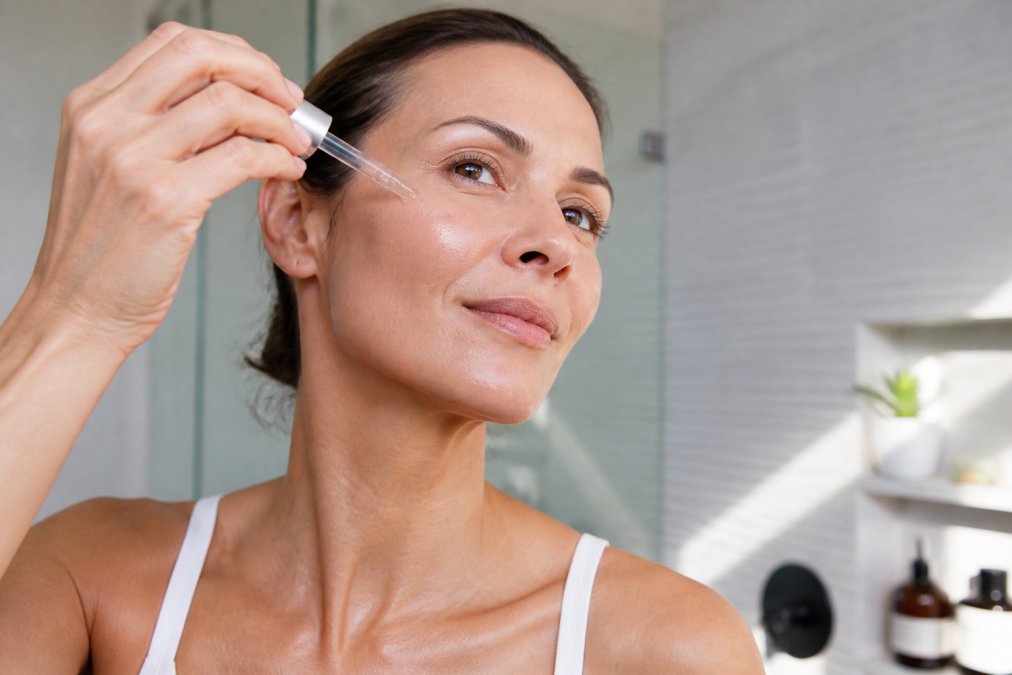
Learning how to improve skin texture at home starts with understanding that texture is a hydration problem as much as an exfoliation problem. Layering humectants like hyaluronic acid and rice water plumps the skin, which smooths the look of fine lines and rough patches over time.

For visibly smoother skin, add a gentle chemical exfoliant like the LHA and PHA found in the Cactus Hydrating Facial Serum to your evening routine. These ingredients dissolve dead skin cells without the irritation of harsh scrubs, allowing your hydrating layers to penetrate more deeply. Consistency matters more than intensity.

The fastest way to ruin your glow is applying serums to bone-dry skin. Active ingredients need water to travel into the skin, so mist your face with a hydrating toner or simply apply serums right after cleansing while skin is still damp.
Other frequent errors include overloading your face with too many active ingredients at once, skipping sunscreen during the day, and neglecting your neck and chest. According to the American Academy of Dermatology guidance on serum application, using too many products at once can irritate the skin rather than improve it. Stick to two or three targeted serums per routine and always finish with moisturizer to lock in the hydration.
Here is the complete routine that brings everything together, designed to fit into a busy schedule whether you are at home or traveling through Hartsfield-Jackson.
Achieving a radiant complexion does not require expensive clinic visits or complicated rituals. It requires understanding the correct order, respecting your skin's absorption timing, and choosing serums that complement each other. Beautivana makes this easy with a curated collection of lightweight, layer-friendly formulas including the Cactus Hydrating Serum and the Rice + Alpha Arbutin Serum, both designed for fast absorption and visible results. Get started with Beautivana and build a layering routine that restores your natural glow.
Yes, piling on more than three serums can overwhelm your skin and cause pilling, irritation, or reduced effectiveness. Stick to a maximum of two to three targeted serums per routine. For radiance, pair a hydrating base serum with one active brightening serum, such as a rice or alpha arbutin formula. This approach gives your skin the benefits without overloading it, and each layer absorbs properly.
Always apply water-based serums before oil-based ones. Water-based formulas, like hyaluronic acid or cactus serums, need to penetrate damp skin first to pull in moisture. Oil-based serums create a barrier that locks everything in, so they go last. If you reverse the order, the oil film blocks the water-based serum from absorbing, leaving it sitting on the surface instead of working.
Yes, vitamin C and niacinamide work well together when layered correctly. Apply vitamin C first on dry, clean skin and wait about 60 seconds for it to absorb. Follow with a niacinamide serum like the Beautivana PDRN Peptide Hydrating Facial Serum. This combination brightens dark spots while supporting the skin barrier. Start with lower concentrations to confirm your skin tolerates both actives.
Wait 30 to 60 seconds between each serum layer. This gives the previous formula time to absorb without completely drying out. If a serum feels tacky after a minute, it has absorbed enough for the next step. Waiting longer, up to two minutes, helps when layering stronger actives to reduce irritation. Rushing the process causes products to mix on the surface and lose effectiveness.