Why Collagen Masks Are Essential for Skin Elasticity
Skin elasticity fades as we age, collagen production declines roughly 1% per year by your 40s and 50s, leaving skin slack and creased (peer-reviewed research). Collagen masks deliver concentrated collagen and peptides directly to the skin barrier, where they plump, firm, and restore lost structural support.
Beautivana offers effective Korean collagen masks for busy professionals who want visible results, a spa-quality treatment that genuinely improves skin texture and firmness.
Topical collagen masks can't replace lost collagen, but they hydrate intensely, support existing collagen, and create an environment where skin looks and feels firmer. Consistent use creates cumulative improvements most people notice within 2-3 weeks.
How Collagen Masks Work on Your Skin
Collagen masks work by creating an occlusive barrier that traps moisture and allows active ingredients to penetrate more effectively than serums or creams.
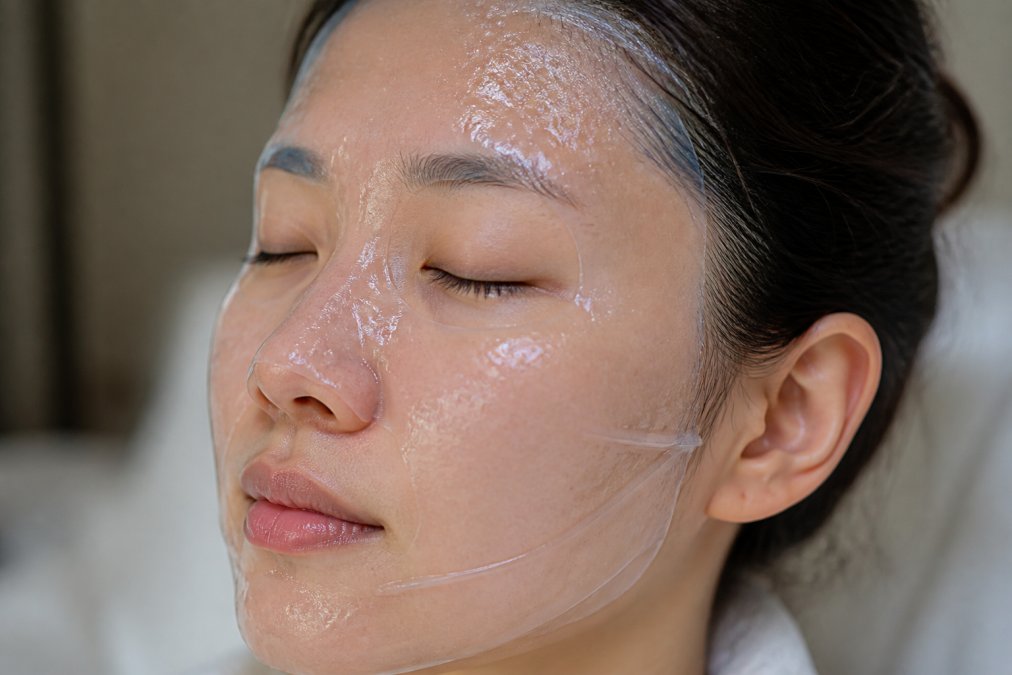
Close-up of a woman's face with a translucent collagen hydrogel mask applied, showing the shimmering moisture-infused film with visible hydration beads catching soft natural light
Collagen masks come in two types: wash-off (gel or cream-based, rinse after 10-20 minutes) and peel-off (dry into a film you peel away). The Beautivana PDRN Collagen Peptide Night Wrapping Mask uses the peel-off format, which you can leave on overnight or remove after 20 minutes.
Beautivana PDRN Collagen Peptide Night Wrapping Mask – 1.69 fl oz
Hydration is key: dehydrated skin shows deeper fine lines and looks dull. Collagen masks flood the skin with moisture, plumping it and making wrinkles less visible. They also contain peptides, amino acids, and niacinamide that support collagen synthesis and barrier strength, improving long-term moisture retention and elasticity.
The occlusive barrier temporarily disrupts your skin's natural defenses, allowing peptides and hydrating compounds to penetrate deeper layers for greater impact.
Key Benefits of Collagen Face Masks
Visible firmness and lift. Skin looks noticeably tighter after one application, especially around the under-eye and jawline. Weekly use creates cumulative, longer-lasting results.
Reduced appearance of fine lines. Hydrated, plump skin flatten creases and make fine lines significantly less visible, especially in the first 1-2 hours after application.
Improved skin texture. Regular collagen mask use smooths rough patches and creates a more refined, polished appearance. This is particularly noticeable if your skin tends toward dryness or sensitivity.
Beautivana Bio-Collagen Hydrogel Mask for Neck & Chest
Enhanced glow and radiance. Hydrated skin reflects light better and looks healthier, which is why these masks are popular before events.
Better absorption of other products. Hydrated, primed skin absorbs subsequent serums and moisturizers more effectively.
Support for skin barrier function. Niacinamide and ceramides strengthen the barrier for better long-term moisture retention and elasticity.
Essential Ingredients That Boost Collagen Mask Effectiveness
Not all collagen masks are created equal. The ingredient profile determines how well a mask will actually work. Here are the key players you should look for.
Collagen and hydrolyzed collagen peptides. These are the foundation of any effective collagen mask. Hydrolyzed collagen is broken down into smaller peptides that can penetrate the skin more easily than intact collagen molecules. These peptides signal your skin to produce more of its own collagen and provide amino acids that support skin structure.
PDRN (Polydeoxyribonucleotide). Derived from salmon DNA, PDRN supports skin regeneration and collagen production. The Beautivana PDRN Collagen Peptide Night Wrapping Mask includes it for its regenerative properties.
Niacinamide. Also called Vitamin B3, niacinamide strengthens the skin barrier, reduces inflammation, and improves skin elasticity (peer-reviewed research). It's one of the most well-researched skincare ingredients and appears in nearly every effective collagen mask.
Hyaluronic acid. This humectant draws moisture into the skin and holds up to 1000 times its weight in water, essential for mask hydration.
Peptides and amino acids. These signal skin cells to produce more collagen and elastin, providing raw materials for skin repair.
Ceramides. These lipids are crucial for barrier function. They help your skin retain moisture and prevent transepidermal water loss, which is critical for maintaining elasticity.
Glycerin. A powerful humectant that hydrates skin and supports barrier function, typically the second or third ingredient in effective masks.
When you're evaluating a collagen mask, look at the ingredient list and make sure collagen or collagen peptides appear in the first five ingredients. If they're listed near the end, the formula likely doesn't contain enough to make a meaningful difference.
Collagen Mask Usage Frequency for Best Results
How often should you use a collagen mask? This depends on your skin type, your goals, and how your skin responds to the treatment.
For most people, 1-2 masks per week delivers noticeable results. Start with once weekly and increase to twice weekly after 2-3 weeks if your skin tolerates it well.
Very dry skin can tolerate 2-3 masks per week; many people with chronic dryness need this frequency to maintain results.
If your skin is sensitive or reactive, start with once every 10 days and monitor how your skin responds. Some sensitive skin types do beautifully with collagen masks, while others prefer less frequent use.
For intensive results before an event, use masks 2-3 times weekly for two weeks, then dial back to once weekly maintenance.
The Beautivana Collagen Overnight Hydration Kit is designed for nightly use, with the night wrapping mask as the final step. This kit allows for more frequent collagen treatment while keeping the routine simple and manageable.
Beautivana Collagen Overnight Hydration Kit
Evening application is ideal since skin repairs during sleep. If applying in the morning, avoid combining with vitamin C or retinol to prevent irritation.
How to Improve Skin Elasticity Naturally With Collagen Masks
Collagen masks are a powerful tool, but they work best as part of a comprehensive approach to skin elasticity. Here's how to maximize results.
Layer strategically. Apply your collagen mask to clean, damp skin. If you're using a peel-off mask like the Beautivana PDRN Collagen Peptide Night Wrapping Mask, apply it as the final step of your routine. If you're using a wash-off mask, apply it after cleansing and toning, then follow with a lightweight serum or moisturizer once you rinse it off.
Support collagen production from within. Eat protein-rich foods, stay hydrated, and consider collagen supplements. Vitamin C, copper, and lysine support collagen synthesis.
Protect your collagen. UV damage breaks down collagen and elastin. Use a broad-spectrum SPF 30 or higher daily, even on cloudy days (the FDA). This is non-negotiable if you want to maintain skin elasticity long-term.
Address inflammation. Manage stress, get adequate sleep, and avoid inflammatory foods like excess sugar and processed oils.
Don't skip moisturizer. Collagen masks are intensive treatments, not replacements for daily hydration. Use a good moisturizer twice daily to maintain the hydration gains from your masks.
Consider complementary treatments. Retinol supports collagen production and works beautifully alongside collagen masks. Use retinol 2-3 times per week, and use your collagen mask on the other nights. Vitamin C serums also support collagen synthesis and can be layered under your mask. improve skin elasticity.
Pro TipApply your collagen mask to slightly damp skin rather than completely dry skin. The moisture helps the mask spread evenly and allows better ingredient penetration. If you're using a peel-off mask, wait until it's completely dry before peeling, this usually takes 15-20 minutes depending on thickness.
Common Mistakes People Make With Collagen Masks
Even with the best products, people often undermine their results through common mistakes.
Using masks too infrequently. One mask every few months won't create change. Use masks at least weekly for cumulative improvements.
Applying to completely dry skin. Masks work better on damp skin because moisture helps ingredients penetrate and spread evenly. If you apply to bone-dry skin, the mask may feel tight and uncomfortable, and you'll get less benefit.
Leaving masks on too long. Exceeding recommended time won't improve results and may cause temporary puffiness. Follow package instructions.
Not following up with moisturizer. After rinsing off a wash-off mask, your skin is primed to absorb products. This is the perfect time to apply a serum and moisturizer to lock in the hydration. Skipping this step means you're wasting the benefits of the mask.
Expecting permanent results. Collagen masks provide temporary plumping and hydration. The effect lasts hours to days depending on your skin and the formula. This doesn't mean they're not worth using, it means you need to use them consistently to see lasting improvements in elasticity.
Mixing incompatible actives. Don't use a collagen mask on the same night as a strong chemical exfoliant or retinol if your skin is sensitive. These can be irritating when combined. Space them out or use them on alternate nights.
Watch OutIf you have very reactive or compromised skin, patch test a new collagen mask on a small area of your inner arm or jawline before applying it to your full face. Some formulas contain fragrance or essential oils that can trigger sensitivity in certain skin types. A bad reaction isn't worth it, there are plenty of fragrance-free options available.
Not adjusting for seasonal changes. In winter, especially in colder climates, your skin loses moisture faster and may benefit from more frequent mask use. In summer, once weekly might be sufficient. Pay attention to how your skin feels and adjust accordingly.
Choosing masks based on price alone. Effective masks have higher concentrations of active ingredients. Beautivana's curated selection delivers real results.
Conclusion
Collagen masks are one of the most effective ways to address loss of skin elasticity at home. They deliver concentrated hydration and collagen-supporting ingredients directly to your skin, creating visible firmness and smoothness that you can feel immediately. Used consistently, ideally 1-2 times per week, they create cumulative improvements that translate to noticeably more elastic, youthful-looking skin.
The challenge with at-home skincare is finding products that actually work, not just feel luxurious. Beautivana solves this by curating only the most effective Korean collagen masks and pairing them with complementary tools like our Heated Eye Massager and serums designed for maximum absorption. The Beautivana Collagen Overnight Hydration Kit gives you everything you need for a simple, results-driven evening routine, collagen ampoule, night wrapping mask, jelly cream, and eye massager, all designed to work together for visibly smoother, firmer skin. Start with one mask per week and experience the difference professional-grade collagen treatment can make. Shop All Best Sellers and discover why customers trust Beautivana for their skin elasticity goals.
Frequently Asked Questions
Do collagen masks actually improve skin elasticity?
Yes, collagen masks can improve skin elasticity by delivering hydration and collagen peptides directly to the skin's surface. When skin is properly hydrated, it appears firmer and more supple. Collagen masks work best as part of a consistent routine, results typically become visible after 2-4 weeks of regular use. The key is choosing masks with active ingredients like PDRN, peptides, and niacinamide that support skin structure.
How often should you use a collagen mask for best results?
For optimal results, use a collagen mask 2-3 times per week. This frequency allows your skin to absorb the beneficial ingredients without over-treating. If you have sensitive skin, start with once weekly and gradually increase. Overnight wrapping masks like the Beautivana PDRN Collagen Peptide Night Wrapping Mask can be used more frequently since they're gentler and designed for extended wear.
What ingredients in collagen masks actually work?
The most effective collagen mask ingredients include PDRN (a salmon-derived ingredient that supports skin renewal), collagen peptides (smaller molecules that penetrate better than raw collagen), niacinamide (which strengthens the skin barrier), and hyaluronic acid (for deep hydration). Look for masks that combine multiple active ingredients rather than relying on collagen alone. Beautivana's formulations include these proven components for maximum efficacy.
Can I use collagen masks if I have sensitive skin?
Collagen masks are generally well-tolerated by sensitive skin since they're hydrating rather than exfoliating. However, start with a patch test or use once weekly to monitor your skin's response. Avoid masks with added fragrance or essential oils if you have reactive skin. Overnight wrapping masks tend to be gentler than sheet masks since they allow gradual absorption without sudden temperature changes.
Obtén un 20% de descuento en tu primer pedido, además de acceso anticipado a nuevos productos para el cuidado de la piel, dispositivos de belleza, paquetes y ofertas especiales.
Search
Al seleccionar una opción, se actualiza la página completa.